
What you're actually paying for
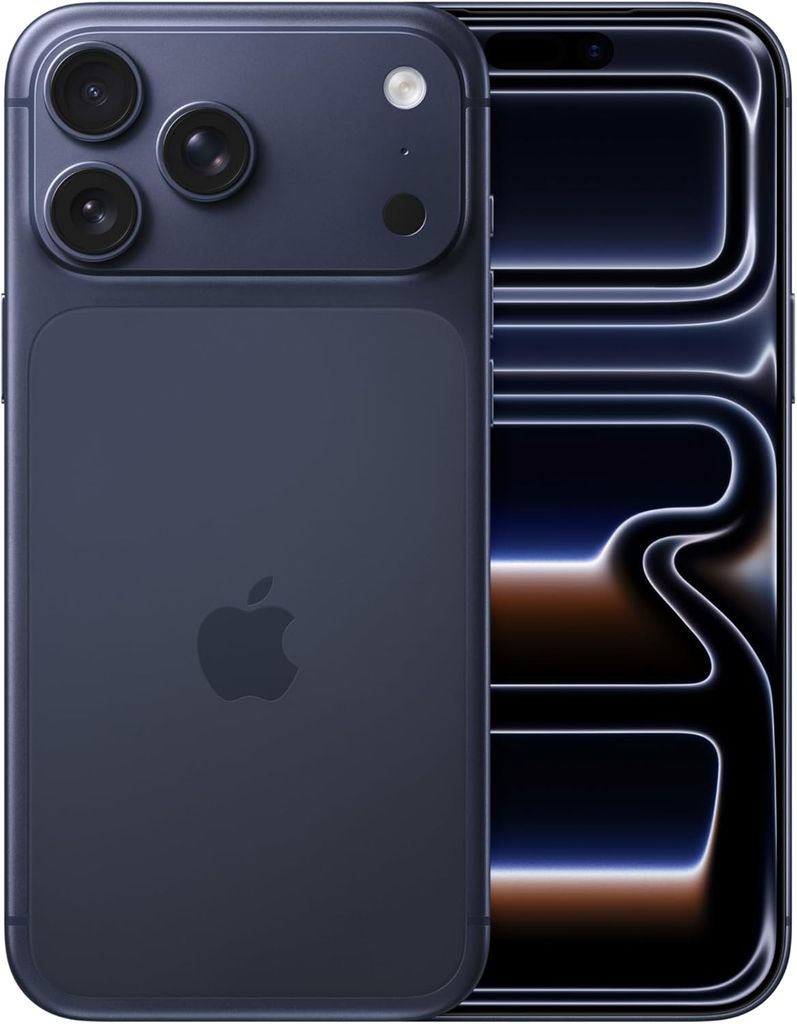
At roughly £1,107, this is not a casual purchase. You're getting Apple's best camera system, a titanium chassis that feels genuinely premium in hand, the A19 Pro chip (overkill for most people, honestly), and ProMotion display at 120Hz. The camera improvements over the 16 Pro Max are iterative rather than dramatic, but the low-light performance and the improved telephoto reach are real-world useful, not just spec-sheet padding.
The 256 GB base tier is the one to scrutinise. Apple's storage pricing is aggressive once you step up, so this entry config suits most users unless you shoot a lot of 4K ProRes video, in which case you'll feel the pinch fairly quickly.
The honest case against it
The battery, while improved, still charges slower than comparable Android flagships. MagSafe remains capped below what competing ecosystems offer. And the price of entry for iPhones has crept up year on year without the trade-in value keeping pace in quite the same way it used to.
There is also a segment-wide weakness worth naming: premium smartphones at this price point are increasingly difficult to differentiate from their predecessors in daily use. You will not notice the chip upgrade doing the washing up.
Who this makes sense for
If you're on an iPhone 12 or earlier, the cumulative upgrades here are significant enough to justify spreading the cost over 24 months. That works out around £46 a month, which is a more useful frame than the lump sum.
If you upgraded in the last 18 months, wait. The £30 discount is not a compelling reason to act.


