
What you're actually paying for
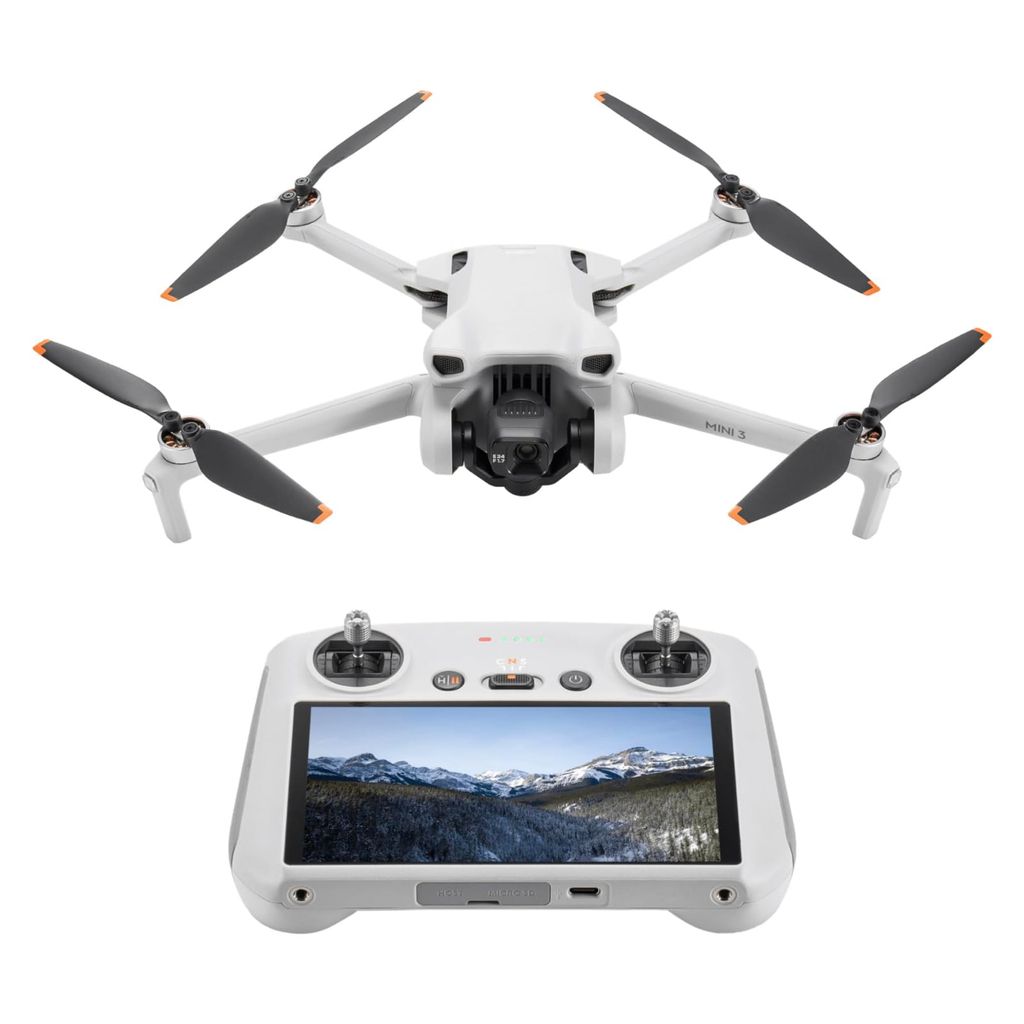
At £279 with the RC controller included, you're not getting a bargain in the sale sense. There's no discount here. What you're getting is the entry point to DJI's serious sub-250g lineup, with a real screen on the remote rather than a phone clamp bodge. That RC controller alone usually adds £80-100 to a bundle, so the maths aren't insulting.
The sub-250g thing matters more than people realise. In the UK, drones under 250g sit in a lighter regulatory category, which affects where you can legally fly and how much faff is involved registering it. That's a practical benefit, not a spec sheet number.
Where the 38-minute flight time actually helps
Most entry drones promise 20-odd minutes and deliver 15 in the field. The Mini 3's 38-minute headline is generous, and real-world figures tend to land somewhere respectable. For landscape work or covering an event, that extra time genuinely reduces the number of batteries you need to lug about. One battery instead of two is not nothing.
The 3-axis mechanical gimbal keeps footage stable in a way that software stabilisation simply cannot replicate. If you've used a cheaper drone and wondered why your clips look wobbly despite the "EIS" badge, this is why.
The honest weaknesses
Sub-250g drones as a category struggle in wind. Physics hasn't been repealed. The Mini 3 handles a breeze fine, but coastal shooting or exposed hillsides on a blustery day will test it. Also, no obstacle avoidance on the Mini 3 (that's the Mini 4 Pro's territory), so you're relying entirely on your own spatial awareness near trees or buildings.
If you're shooting professionally or need serious forward sensors, £279 is the wrong ceiling. But for a first proper drone, a travel companion, or a creative hobby tool, this is a considered, capable choice at a fair price.


