
What you are actually paying for
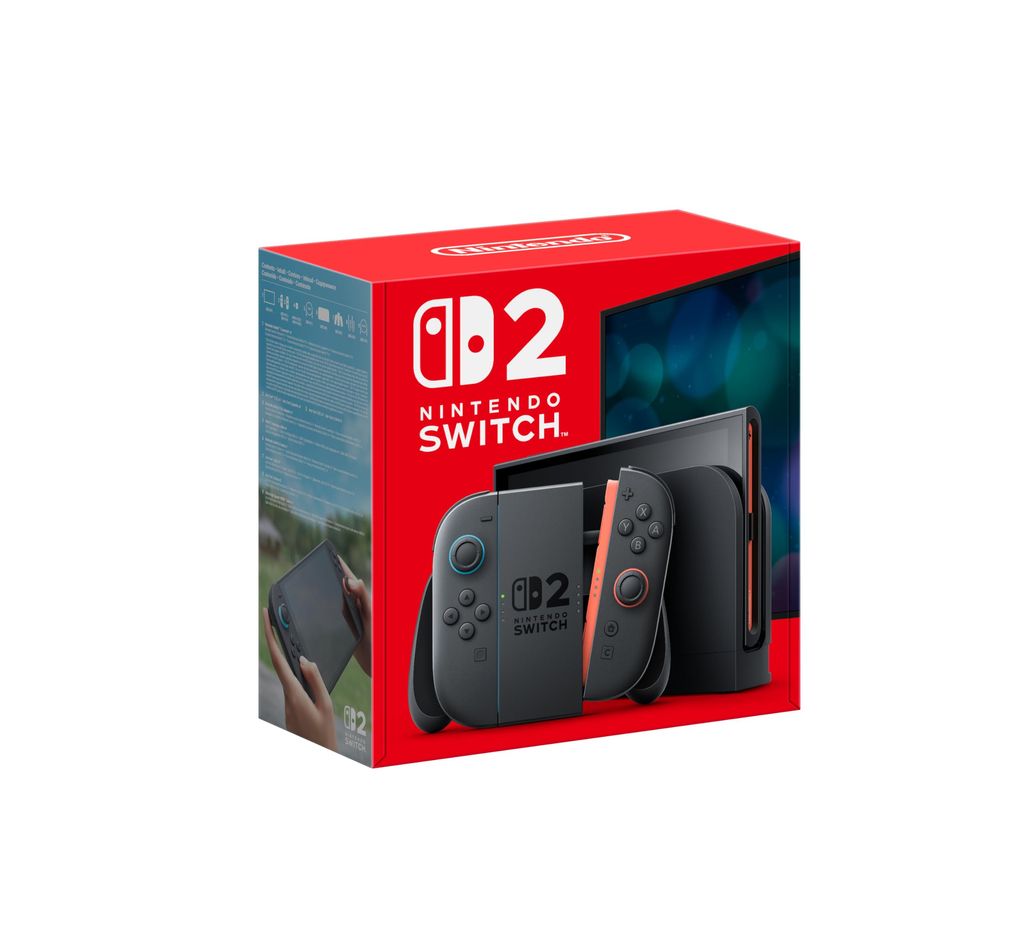
The original Switch launched in 2017. Seven years is a long time in consumer electronics, and the hardware had genuinely started to show its age, particularly on the dock. The Switch 2 brings a larger display, a proper upgrade to processing performance, and a revised Joy-Con attachment mechanism that addresses one of the most complained-about design details of the original. At £380, you are paying roughly what a PlayStation 5 Digital cost at launch. That context matters.
Where the value stacks up
If you already own a Switch and a decent library, the upgrade is harder to justify immediately. Your existing cartridges are compatible, which is good, but you will not feel the full benefit until the new exclusive titles arrive. For anyone buying their first Switch, or replacing a unit that is battered and Joy-Con drifting, this is a cleaner entry point than picking up ageing hardware at a marginal discount.
The hybrid format remains the strongest argument for the machine. No other console at this price lets you play the same game on a TV and on a train without any fuss or streaming dependency. That is a real, practical advantage.
The honest weaknesses
The segment has a persistent problem: Nintendo first-party titles rarely drop in price. Ever. You will pay £50 to £60 per game for years. Factor that into the total cost of ownership because the console itself is only the beginning. Online play also remains behind what Sony and Microsoft offer, and the paid subscription feels like an afterthought dressed up as a service.
At full price with no launch discount, this is a considered purchase. Worth it for the right person. Not a panic buy.


